


The difference between GTIN, UPC and EAN: Which One Is Right for Your Product?
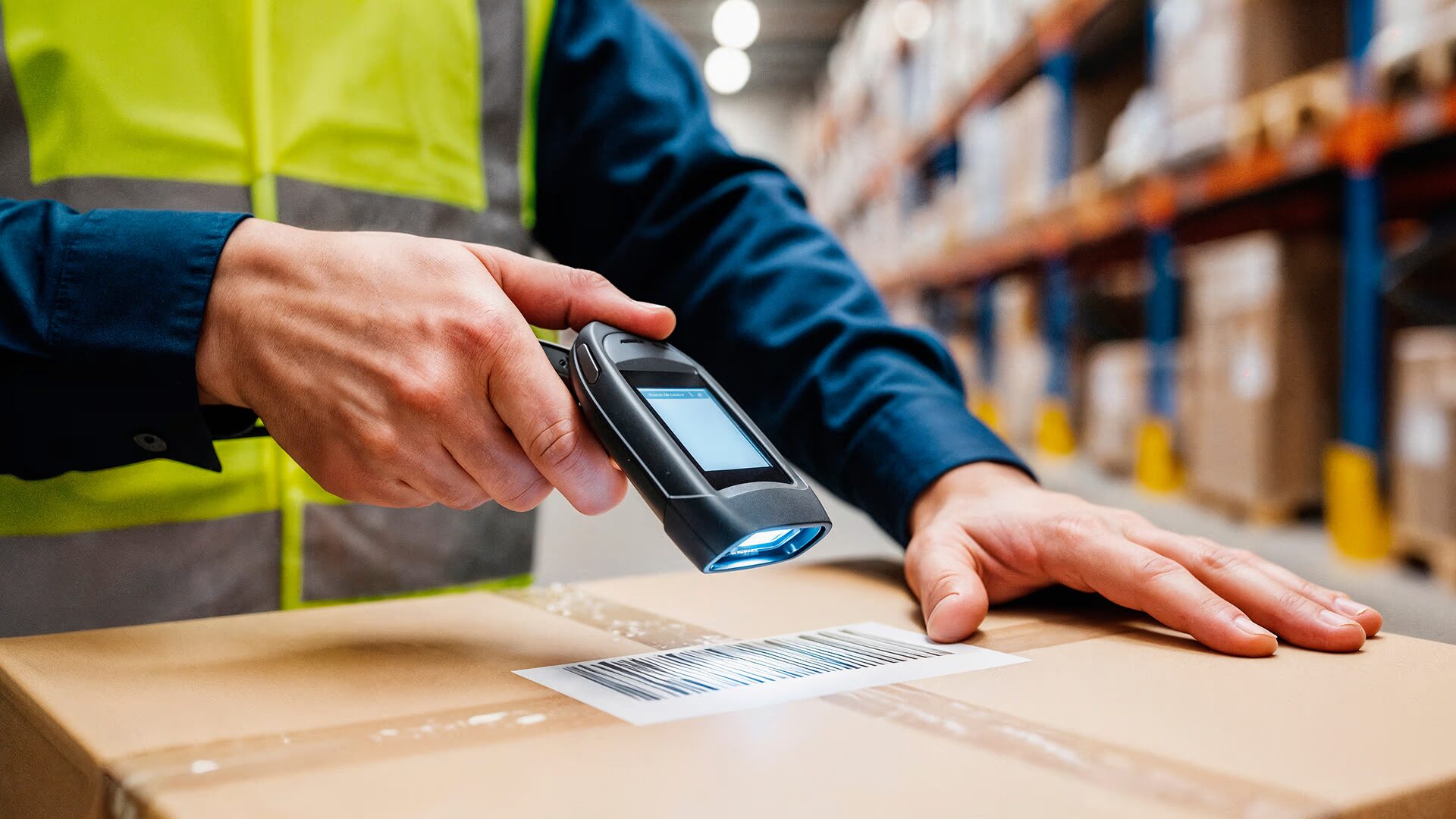



A barcode is no longer just a series of lines printed on product packaging. Today, it is part of a comprehensive product identification system that enables businesses to identify, manage, and track products with global accuracy. This is where terms such as GTIN, UPC, EAN, and barcode often come into play. While they may appear similar, each serves a different purpose and is used in different contexts.
All of these identification systems are based on the global standards developed by GS1, the international organization responsible for standardizing product identification worldwide. GTIN (Global Trade Item Number) serves as the overarching framework that includes different numbering formats, such as UPC, which is widely used in North America, and EAN, which is the most common format across Europe and many international markets.
The important question is: what are the actual differences between these systems, and which one is the right choice for your product and target market?
The Relationship Between Barcodes and Retail & E-commerce Requirements
The relationship between a barcode and the requirements of retail stores and online marketplaces is inseparable. Without a valid product identifier such as a GTIN, UPC, or EAN, your product may be rejected during the listing process or removed from a marketplace later.
For this reason, obtaining an official barcode that complies with GS1 standards is no longer simply an administrative requirement—it has become a strategic necessity for any business that intends to sell products professionally, whether locally or internationally.
Barcodes as a Requirement for Retail Acceptance
Major retail chains require products to carry GS1-compliant barcodes before they are accepted onto store shelves. This requirement exists because standardized barcodes help retailers:
- Simplify inventory management and stock counting.
- Speed up checkout through Point-of-Sale (POS) systems.
- Reduce human errors in pricing and data entry.
- Standardize product identification across all branches.
Using an invalid, duplicated, or unofficial barcode may result in your product being rejected before it even reaches the shelf.
Barcode Requirements for E-commerce Platforms
Leading e-commerce platforms rely on a GTIN as the primary product identifier.
For example:
- Amazon requires a GTIN, UPC, or EAN to verify product identity.
- Google Shopping uses GTIN to improve product visibility and display accurate product information.
- Noon requires an approved barcode before products can be listed on its marketplace.
These identifiers help platforms:
- Prevent duplicate product listings.
- Standardize product information globally.
- Connect products to the correct specifications, images, and customer reviews.
- Improve search visibility and product discoverability.
Preventing Fraud and Protecting Your Brand
When you use a barcode officially registered under your company through GS1, your product becomes linked to your organization’s legal identity.
This significantly reduces the risk of identity theft, unauthorized product listings, or the use of random barcodes that could lead to suspended accounts or product removal from online marketplaces.
Improving Operational Efficiency
Using standardized barcodes enables seamless integration between:
- Inventory management systems
- Shipping and tracking platforms
- Sales channels
- Financial reporting systems
This integration improves data accuracy while enabling faster and more informed business decisions.
Why Proper Product Identification Matters
Accurate product identification is the foundation of every business that depends on organization, precision, and operational efficiency.
A product code is far more than a number or a barcode printed on packaging—it is a complete digital identity that allows business systems to recognize, classify, and price products automatically.
Using internationally recognized systems such as GTIN, UPC, EAN, and barcode standards provides several important advantages.
Greater Operational Accuracy
When products are identified according to GS1 standards, every item receives a unique, non-duplicated number.
This minimizes confusion between similar products while reducing errors related to inventory management, pricing, and financial reporting.
Accurate coding directly improves:
- Inventory management
- Point-of-sale (POS) efficiency
- Stock auditing accuracy
- Reduction of inventory losses and accounting errors
Compliance with Tax and Regulatory Requirements
Modern digital systems—including Egypt’s e-invoicing system—require products to be registered using accurate product codes.
Any coding error may result in invoice rejection or disruption of financial processes.
Proper product identification ensures:
- Accurate matching between the product code and product description.
- Clear tax classification.
- Easier auditing and regulatory review.
Easier Access to Retail Stores and Online Marketplaces
Retailers and e-commerce platforms depend on GTIN, UPC, and EAN identifiers to recognize and verify products.
Without internationally recognized barcodes, entering these sales channels becomes significantly more difficult.
Supporting Local and International Expansion
Businesses planning to export products or expand into larger supply chains need standardized product identification.
Official barcodes make it easier to:
- Track products internationally.
- Integrate with supplier and distributor systems.
- Reduce customs and administrative complexities.
Get GS1 barcodes today!
Generate anywhere from 10 to 10,000 barcodes in 48 hours. All barcodes are approved by the Egyptian Tax Authority within 24 hours. Learn more about our packages and services.

How Your Choice of Barcode Affects Local and International Sales
Choosing the right barcode is not simply a packaging decision.
It is a strategic business decision that directly affects your product’s ability to enter local and international markets.
The differences between GTIN, UPC, and EAN influence product acceptance across retail stores, online marketplaces, and global supply chains.
Impact on Domestic Sales
Within local markets, many retailers require products to carry GS1-approved barcodes.
Selecting an inappropriate barcode format may lead to:
- Rejection by POS systems.
- Inventory management difficulties.
- Conflicts between supplier product codes.
- Problems integrating products with digital tax systems such as e-invoicing.
Impact on International Expansion
If your business plans to export products, barcode selection becomes even more important.
- UPC is widely used in the United States and Canada.
- EAN is the preferred standard throughout Europe and most international markets.
- GTIN serves as the global framework that includes both numbering formats.
Choosing the wrong format may result in:
- Import delays.
- Repackaging requirements.
- The need to issue new product codes.
- Additional costs and delayed market entry.
Impact on Brand Reputation
Officially registered barcodes reflect professionalism and strengthen confidence among retailers, distributors, and business partners.
Conversely, unofficial or randomly generated codes may raise concerns about product reliability, especially in international markets that rely on strict product verification procedures.
What Is a GTIN?
A GTIN (Global Trade Item Number) is a globally standardized identification number used to uniquely identify products worldwide.
Issued according to GS1 standards, a GTIN serves as the product’s digital identity, allowing retailers, inventory systems, logistics providers, and online marketplaces to identify products accurately without confusion.
What Is a UPC?
A UPC (Universal Product Code) is one of the world’s most widely used barcode systems, particularly in retail environments.
It usually consists of 12 digits and is primarily used throughout the United States and Canada.
The UPC system was developed to allow scanners to read product information electronically, reducing errors while accelerating checkout and inventory management.
What Is an EAN?
An EAN (European Article Number) is an internationally standardized barcode numbering system.
It typically consists of 13 digits and is technically classified as GTIN-13 within the global GS1 identification framework.
Because it is governed by GS1 standards, the EAN format is accepted throughout most international markets and serves as the primary product identifier across global supply chains.
UPC vs. EAN: Which One Should You Choose?
When selecting the most appropriate barcode for your product, comparing UPC and EAN is an important step—particularly if you intend to expand beyond your domestic market.
Both numbering systems operate under the broader GTIN framework established by GS1, but they differ in geographical adoption and market preference.
Geographic Coverage
- UPC is primarily used in the United States and Canada.
- EAN is widely adopted across Europe, Asia, Africa, and most global markets.
In practical terms:
- If your primary market is North America, UPC is generally the preferred option.
- If you plan to sell internationally, EAN provides broader global acceptance.
Acceptance by E-commerce Platforms
Most international marketplaces accept both numbering formats because they recognize the broader GTIN standard.
However:
- Some U.S. retailers prefer UPC.
- Most international platforms work seamlessly with EAN, as it is the more widely adopted global standard.
Compatibility
From a technical perspective, UPC can often be converted into an EAN-compatible format by adding a leading prefix.
As a result, many POS systems can read both numbering formats without difficulty.
Common Mistakes When Choosing a Barcode
Selecting the right barcode is a strategic decision that directly affects product acceptance across retail stores, e-commerce platforms, and supply chains.
Unfortunately, many businesses—particularly startups—make avoidable mistakes, including:
- Choosing a barcode that does not match the target market.
- Purchasing unofficial or resold barcode numbers.
- Failing to understand the difference between GTIN, UPC, and EAN.
- Using the same barcode for multiple products.
- Ignoring future expansion plans.
- Printing poor-quality barcodes that cannot be scanned reliably.
Avoiding these mistakes helps ensure smoother operations and better market acceptance.
How GS1 Helps You Obtain an Official Barcode
GS1 plays a central role in providing businesses with internationally recognized barcodes, ensuring products are accepted in both local and global markets while simplifying inventory management and logistics.
Registering Your Company
GS1 assigns every business a unique Company Prefix, which forms the foundation of every GTIN, UPC, or EAN.
This identifier:
- Distinguishes your products from competitors.
- Prevents duplication.
- Creates a globally recognized digital identity for your business.
Issuing GTIN Numbers
Once your company receives its GS1 Company Prefix, you can assign a unique GTIN to each individual product or product variation, including different sizes, colors, or packaging configurations.
Several GTIN formats are available:
- GTIN-12, primarily used as UPC in North America.
- GTIN-13, the most widely used format worldwide and commonly recognized as EAN.
- GTIN-14, typically used for shipping cartons and logistics units.
For companies operating in Egypt, GTIN-13 is the most common format used for consumer products sold through retailers.
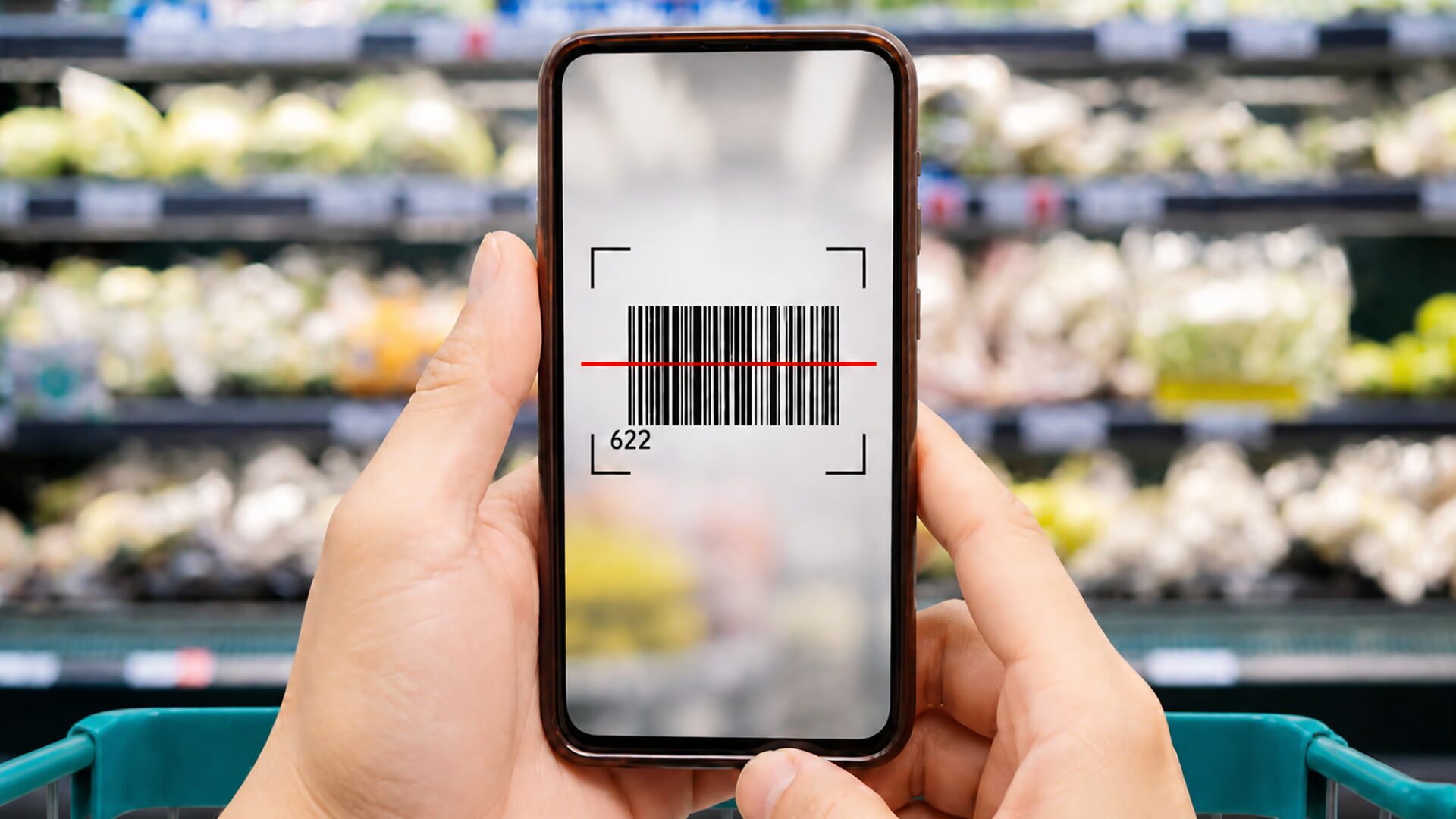
When obtaining barcodes through GS1 Egypt, product numbers typically begin with the 622 country prefix, which identifies Egypt within the GS1 global numbering system and confirms compliance with international standards.
Because every GTIN is globally unique, businesses benefit from:
- More accurate data management.
- Easier product acceptance by retailers and online marketplaces.
- Better product traceability across the supply chain.
Ensuring Compliance with International Standards
GS1 defines international specifications for:
- Barcode dimensions.
- Print quality and contrast.
- Barcode placement on product packaging.
These standards reduce barcode scanning failures while ensuring fast and accurate product identification.
Technical Guidance and Support
Businesses registering with GS1 receive valuable support, including:
- Product coding guidelines.
- Best practices for avoiding duplicate codes.
- Updates regarding evolving international standards.
Strengthening Product Credibility
Products carrying GS1-certified barcodes demonstrate:
- Compliance with international standards.
- Professional business practices.
- Greater protection against counterfeiting and product fraud, particularly in international markets.
Conclusion
Obtaining an official barcode through GS1 is far more than an administrative step—it is a strategic investment that helps ensure your products are accepted in local and international markets while simplifying inventory management and supply chain operations. It also protects your brand against duplication and unauthorized use.
By registering your business, assigning the correct GTIN, UPC, or EAN identifiers, and following GS1 technical standards, your products become ready for seamless distribution through retailers and online marketplaces. At the same time, you reduce operational errors, improve supply chain efficiency, and build greater trust with business partners and consumers alike.
In today’s competitive marketplace, proper product identification is not optional—it is a fundamental requirement for sustainable growth and long-term success.