


Why Product Codes Get Rejected in the E Invoicing System
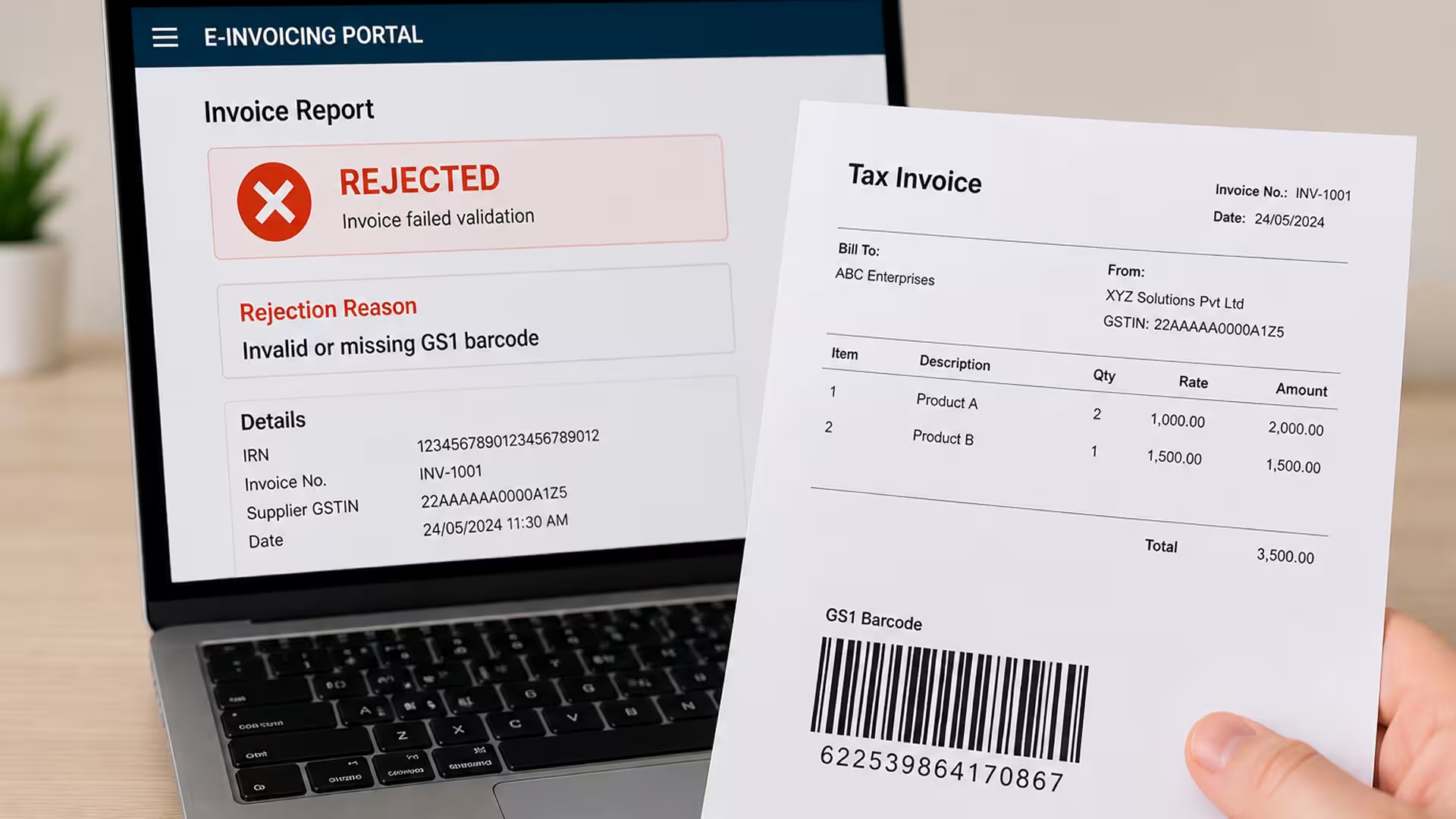



As part of Egypt’s digital transformation initiative led by the Egyptian Tax Authority (ETA), the e invoicing system has become the cornerstone of organizing commercial transactions and strengthening tax compliance. However, one of the most common reasons invoices are rejected is incorrect product codes. What was once simply an internal product identifier used for inventory management has now become a mandatory data element governed by strict validation rules within the e invoicing system. Any error in coding products can result in invoice rejection, delayed approval, and disruption to VAT deduction processes.

What Types of Product Codes Are Used in the E Invoicing System?
The e invoicing system supports multiple types of product codes, each serving a different purpose within the platform.
Some businesses use internationally recognized identifiers such as GTIN, issued according to GS1 standards, while others rely on EGS Codes, which are created and registered within the Egyptian Tax Authority’s platform. Product classification codes such as GPC (Global Product Classification) may also be used to categorize products appropriately.
One of the most common causes of invoice rejection is failing to distinguish between these coding systems or using a code that does not meet the system’s requirements.
Get GS1 barcodes today!
Generate anywhere from 10 to 10,000 barcodes in 48 hours. All barcodes are approved by the Egyptian Tax Authority within 24 hours. Learn more about our packages and services.

Requirements for Registering Product Codes in the E Invoicing System
Registering product codes within the e invoicing system is no longer an optional administrative task. It is a mandatory requirement that directly determines whether an invoice will be accepted or rejected.
The system relies on accurate and approved coding that links every product or service to a specific tax classification and clearly defined technical data. This ensures transparency and proper tax processing.
Understanding these requirements and complying with the Egyptian Tax Authority’s guidelines is essential for avoiding technical errors and maintaining uninterrupted business operations.
Register and Approve Product Codes Before Use
The first essential step is ensuring that every product code has been officially registered and approved before it is used in any electronic invoice.
Creating an internal code within your company’s ERP or accounting system is not sufficient. The code must also be linked to approved data within the Egyptian Tax Authority’s electronic platform.
Whenever an invoice is submitted, the e invoicing system automatically verifies whether the code exists within its approved database.
If the code is missing or inactive, the invoice will be rejected immediately.
For this reason, businesses should maintain a well-organized database of approved product codes and review it regularly before issuing invoices.
Ensure Product Information Matches the Registered Code
Registering a code alone is not enough.
Whether you’re using an EGS Code within the Egyptian Tax Authority’s platform or a GTIN issued according to GS1 standards, every associated product detail must match the registered information accurately.
This includes:
- Product description
- Product type (goods or services)
- Unit of measurement
- Product classification
- Any additional information submitted during registration
When an EGS Code is used, the system compares the registered product information with the details submitted on the invoice.
When using a GTIN, the product information stored within your company’s systems and linked to that identifier must remain fully consistent.
Even minor differences in product descriptions, classifications, or units of measurement may be interpreted as data inconsistencies, leading to document rejection.
To avoid these issues, businesses should maintain a centralized product database and avoid making unapproved changes to product descriptions or specifications after registration.
Follow Technical Formatting and Data Entry Standards
Product codes within the e invoicing system must comply with strict technical requirements regarding:
- Character length
- Permitted symbols
- Data entry format
Common formatting mistakes include:
- Adding unintended spaces before or after the code
- Using unsupported characters
- Entering codes in formats that differ from their registered version
Confusing internal company codes with officially registered tax codes is another frequent source of errors.
Using an integrated accounting or ERP system that minimizes manual data entry and retrieves product information automatically can significantly reduce the likelihood of human error.
Ensure Proper Tax Treatment Is Linked to the Product Code
The product or service information stored within your invoicing systems should always be consistent with the applicable tax classification and treatment required by Egyptian regulations.
Proper alignment between the product code and its associated data helps ensure consistency throughout the e invoicing system.
Businesses are encouraged to review product records regularly and verify that they remain aligned with current operational requirements and regulatory updates.
Note: Always refer to the latest technical guides and official instructions issued by the Egyptian Tax Authority regarding tax requirements and procedures for registering and classifying products and services within the e invoicing system.
Stay Updated with Official Guidelines
The registration requirements for product codes continue to evolve as the Egyptian Tax Authority updates the e invoicing system.
Relying solely on your initial implementation without monitoring future updates may expose your business to unnecessary operational risks.
It is essential to follow official announcements, technical bulletins, and regulatory updates while keeping your product code database current to ensure ongoing compliance.
Why Are Product Codes Rejected in the E Invoicing System?
The product code is one of the most important data elements within the e invoicing system because it determines both the nature of the product and its applicable tax treatment.
Every submitted invoice undergoes automatic validation, during which all product codes are carefully reviewed.
The following are the most common reasons for rejection.
Product Code Is Not Registered or Activated
One of the most common causes of rejection is using a product code that has not been officially registered or activated.
Many companies create internal inventory or accounting codes but fail to register them within the electronic tax platform.
When the system cannot find the code in its approved database, the invoice is rejected immediately.
For this reason, every code should be verified before being used in production invoices.
Product Information Does Not Match the Registered Code
When a GTIN is used to identify a product, the product information appearing on the invoice must match the information associated with that GTIN.
This generally includes:
- Product trade name
- Product description
- Net content
- Unit of measurement
- Product classification
- Internal product code (where applicable)
Significant differences between the invoice data and the information linked to the GTIN may generate validation issues or require additional review.
Maintaining consistent product information across all business systems helps reduce these risks.
Technical Formatting Errors
Product codes must comply with specific formatting requirements.
Common errors include:
- Extra spaces before or after the code
- Unsupported characters
- Incorrect formatting
- Using a format different from the registered version
This is why businesses benefit from integrated accounting systems that reduce manual data entry.
Incorrect Tax Treatment or Classification
If a product is assigned an incorrect tax rate or tax classification—or if its tax treatment changes without updating the registered product code—the invoice may be rejected due to inconsistent tax information.
These types of errors frequently generate observations during tax audits.
Using Internal Codes That Are Not Linked to the Tax System
Some organizations rely on internal inventory codes that have never been linked to the Egyptian Tax Authority’s platform.
If those internal codes are transmitted instead of the approved product codes, the e invoicing system automatically rejects the invoice.
The solution is to maintain one unified product code database while integrating the accounting system directly with the tax platform.
Failure to Update Product Code Information
Whenever a product description, classification, or other key attribute changes, the associated product code should be updated before issuing new invoices.
Ignoring this step creates inconsistencies between historical and current data, increasing the likelihood of rejection.
Failure to Follow Technical Updates
The e invoicing system is updated regularly by the Egyptian Tax Authority.
These updates may introduce new validation rules or revised product coding requirements.
Businesses that continue using outdated coding formats risk having their invoices rejected.
Practical Steps to Avoid Product Code Rejection
Since the e invoicing system is now the official framework for documenting commercial transactions, preventing product code rejection has become an operational necessity.
The following best practices can help.
Create a Unified Product Code Database
Maintain a centralized database containing:
- Product code
- Approved product description
- Unit of measurement
- Tax classification
- Applicable tax rate
A unified database prevents inconsistencies across inventory, accounting, and sales departments.
Register Product Codes Before Use
Never use a product code before confirming that it has been officially registered and approved.
Testing codes within your operational environment before using them in live invoices helps identify potential issues early.
Integrate Your Accounting System with the E Invoicing System
If your business uses ERP or accounting software, ensure that internal product identifiers are properly linked to the approved codes recognized by the Egyptian Tax Authority.
This prevents unregistered inventory codes from being transmitted and ensures accurate product data is retrieved automatically.
Review Tax Classifications Regularly
Verify that every product code is linked to the correct tax treatment, whether:
- Taxable
- Zero-rated
- Exempt
Quarterly reviews can help maintain compliance as regulations evolve.
Validate Invoices Before Submission
Before sending invoices, verify:
- Product code format
- Product description
- Unit of measurement
- Tax rate
A simple internal review can dramatically reduce rejection rates.
Update Product Codes Whenever Products Change
Whenever a product description, classification, or specification changes, update its registered information before issuing new invoices.
Failing to do so creates data inconsistencies that may result in invoice rejection.
Monitor Official Technical Updates
Because the e invoicing system continues to evolve, businesses should regularly review technical updates issued by the Egyptian Tax Authority and adjust their product databases accordingly.
Train Employees Responsible for Invoice Processing
Many invoice errors are caused by human mistakes.
Staff responsible for issuing invoices should receive training on:
- Correct product code entry
- Tax classifications
- Data verification procedures before submission
The better trained your team is, the lower your rejection rate will be.
How GS1 Standards Help Reduce Product Code Rejection
GS1 standards are among the most effective tools for standardizing product codes globally, significantly reducing rejection rates within the e invoicing system.
Because these codes follow internationally recognized standards, they provide greater accuracy and consistency while minimizing conflicts with tax system requirements.
The primary benefits include:
Globally Standardized Product Identification
GS1’s GTIN system assigns every product a unique global identifier, eliminating duplication and making products easier to identify across inventory systems and electronic invoices.
Reduced Human Error
Using GS1-certified barcodes reduces manual data entry by allowing product information to be captured through barcode scanners, minimizing formatting and typing errors.
Easier Integration with Accounting and Tax Systems
GS1-based product codes are compatible with most ERP systems and accounting software, making integration with the Egyptian Tax Authority’s electronic platform much simpler.
Clear Product Classification
GS1 standards include structured product information that accurately identifies:
- Brand owner
- Product type
- Unit of measurement
This reduces discrepancies between product descriptions and registered codes.
Better Consistency Across the Supply Chain
When suppliers, distributors, and customers all use the same standardized product codes, inconsistencies between business partners are significantly reduced, lowering the risk of invoice rejection.
Conclusion
Following Egypt’s ongoing digital tax transformation, product codes have become far more than administrative identifiers. Within the e invoicing system, they are a critical factor that directly determines whether an invoice is accepted or rejected.
Maintaining accurate product coding, complying with technical standards, and ensuring that product information aligns with the Egyptian Tax Authority’s requirements help protect your business from operational disruptions, penalties, and unnecessary delays.
Investing in a well-organized product code database, keeping it regularly updated, and adopting internationally recognized standards such as GS1 not only reduces invoice rejection rates but also improves operational efficiency, strengthens compliance, and enhances your company’s professional reputation among tax authorities and business partners.
Ultimately, every accepted invoice begins with the correct product code—and every correct product code begins with a clear understanding of the e invoicing system and careful adherence to its requirements.